

#SHINE A LIGHT
A MODERN SLAVERY CAMPAIGN
Combatting Modern Slavery in Aotearoa by turning witnesses into allies
Problem Statement
Understanding the hidden reality of modern slavery in Aotearoa
The Problem
Modern slavery is a hidden crime that exists within many of Aotearoa's most successful industries, affecting every single one of us and underpinning much of the success our country celebrates. In 2021, it was estimated that around 8,000 people were living in slavery in Aotearoa, with the majority being vulnerable migrants, lured to our shores by false promises of a better life for themselves and their families.
The Challenge
The problem is, most of our population doesn't even know this kind of exploitation exists. Our challenge was to design a campaign that would promote awareness around Modern Slavery in Aotearoa and inspire an audience to take action-taking measures to combat and challenge its existence.
Solution
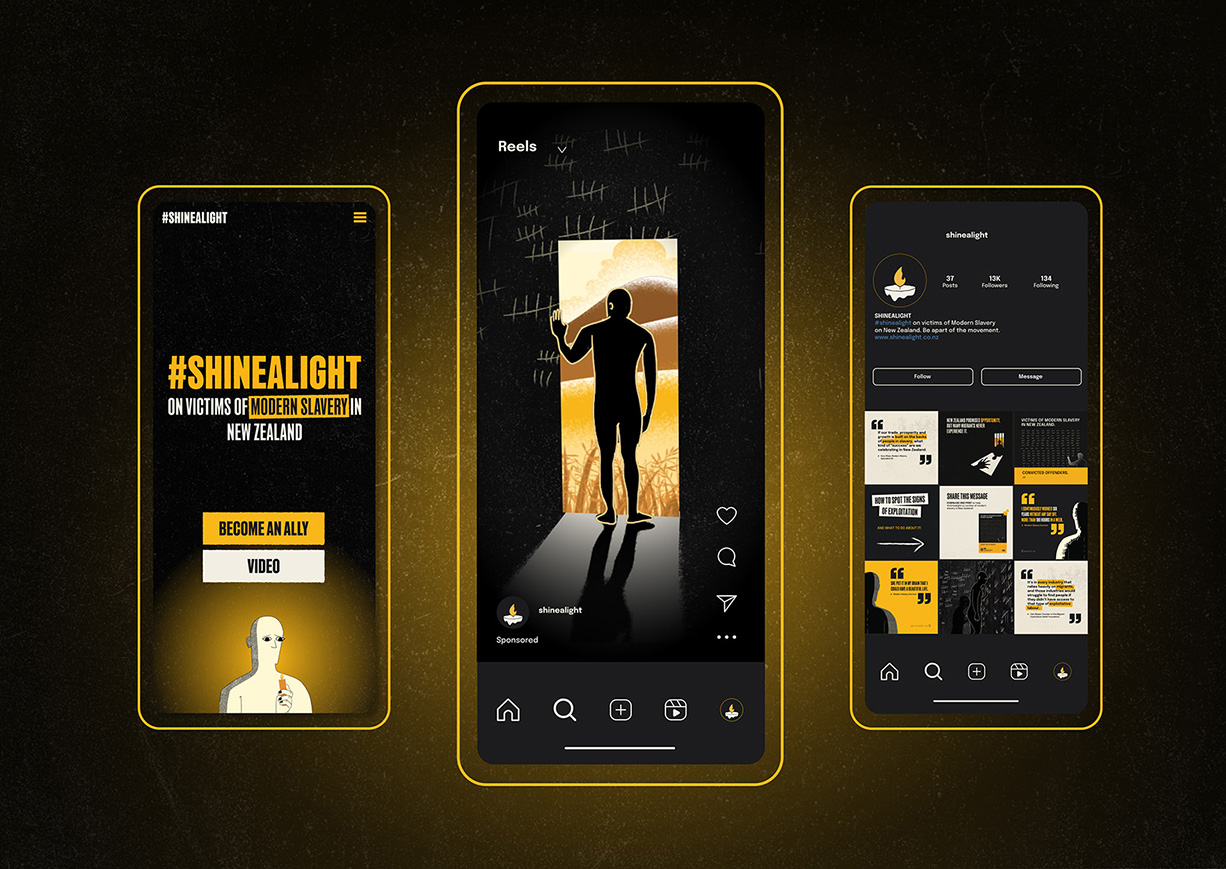
The #SHINEALIGHT campaign uncovers the hidden reality of modern slavery in Aotearoa, exposing the widespread exploitation of vulnerable migrants and challenging the individuals who exploit them. It aims to empower fellow migrants who have found safety and success in Aotearoa to become allies to those affected and help get their voices heard.
Research
Expert Consultation
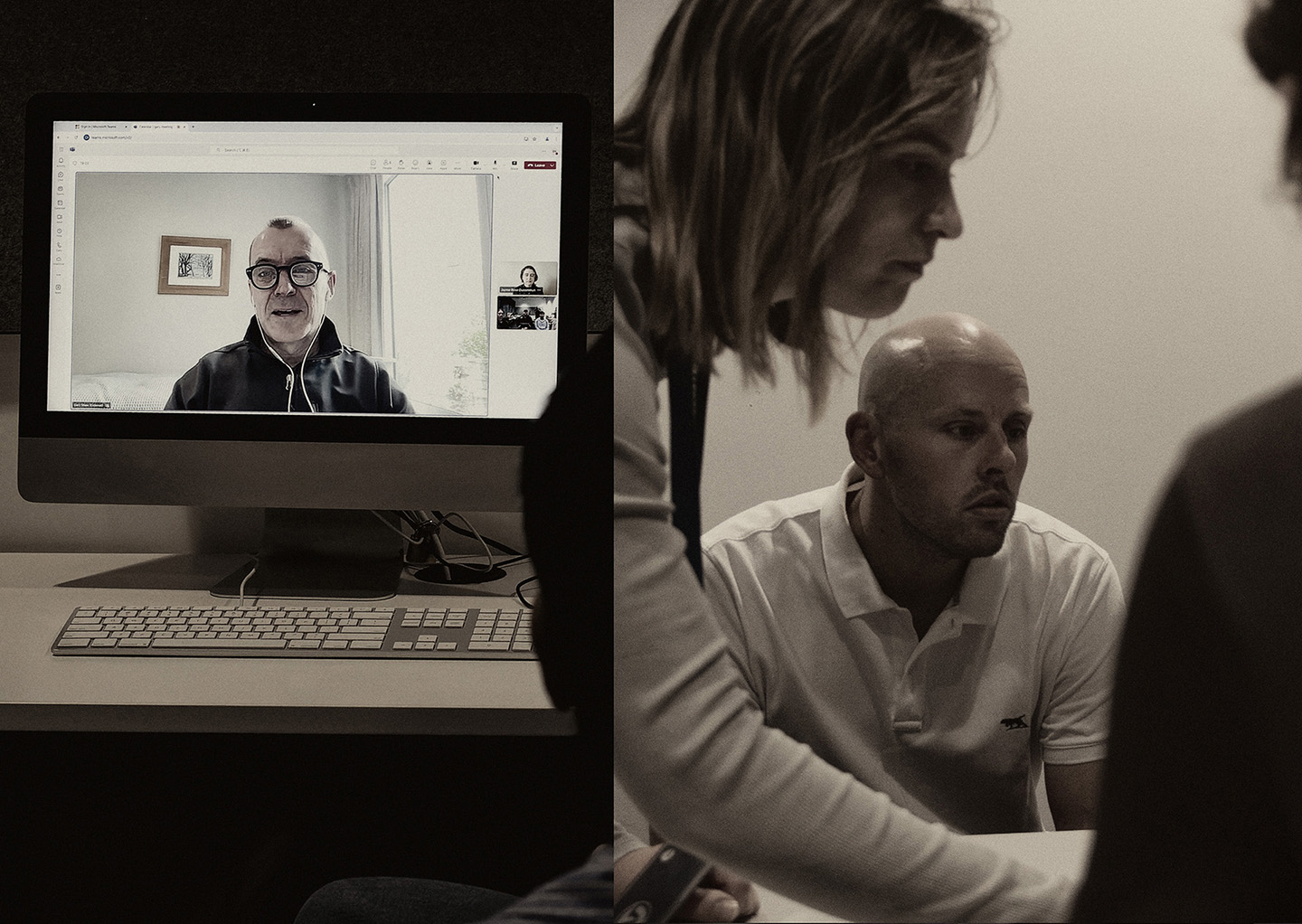
Speaking with modern slavery specialist Gary Shaw and migrant exploitation investigator Cam Bower, we began to understand the complexity of this issue as they provided us with firsthand insights into the realities of exploitation in our country.
These conversations revealed the hidden nature of the problem and helped us identify the most effective avenues for raising awareness and driving action.
Key Interview Takeaways
Hidden in Plain Sight
Modern slavery often occurs in familiar places - restaurants, construction sites, and agricultural work - making it invisible to most New Zealanders who don't recognise the signs.
Language Barriers
Many victims don't speak English fluently, making it difficult for them to seek help, understand their rights, or communicate their situation to authorities or support services.
Community Power
The most effective change comes from within communities, where trusted relationships can provide support and resources. Victims are more likely to seek help from people they know and trust.
Ideation & Strategy
Developing the campaign strategy and solution
Target Audience
Our campaign targets successful migrants who have established themselves in New Zealand. These individuals are empathetic towards migrants, understand the struggles they face in coming to a new country, and have the potential to connect and converse with victims through church or community gatherings.
Junel, 32 - Marine Engineer
- Migrated from the Philippines to New Zealand with his wife and two children
- Earns $300,000 yearly but worries about job security and providing for family
- Active in church and volunteers at food banks
- Helps friends find job opportunities and maintains community connections
Meera, 29 - General Practitioner
- Born in New Zealand to Indian immigrant parents who worked hard in low-paying jobs
- Deeply empathetic towards migrants, having witnessed her parents' sacrifices
- Active on Instagram and Facebook
- Stays connected to her community through local restaurants and cultural noticeboards
Viliame, 35 - Construction Manager
- Immigrated from Fiji 6 years ago with his wife and first child
- Heavily involved in his local church community
- Visits church every Sunday and checks noticeboards for community updates
- Empathetic towards new migrants, knowing the struggles of building a career while supporting family
Campaign Inspiration
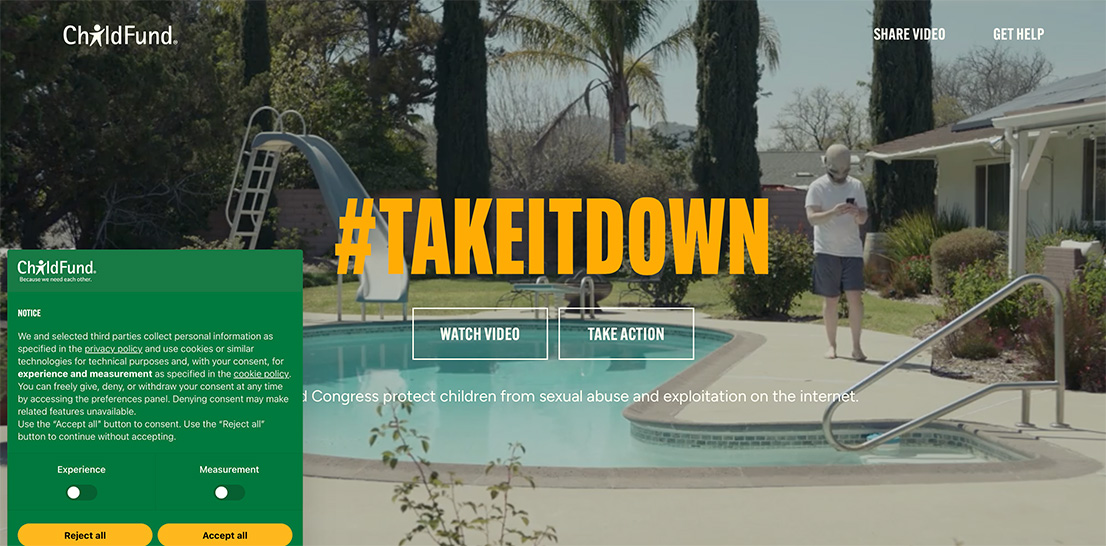
Our campaign was inspired by the #take it down campaign, which demonstrated the power of community-driven action and grassroots movements in addressing social issues. This campaign showed us how effective it can be to empower individuals to take action in their own communities rather than relying solely on institutional change.
Core Features We Adopted:
- Memorable Hashtag: A strong call to action that sticks in the minds of the audience
- Powerful Campaign Video: Emotional storytelling that connects with viewers on a personal level
- Social Media Presence: Leveraging platforms to reach and engage target audiences
- Informative Webpage: Comprehensive resource hub with actionable information and support
OOH Campaign Ideation
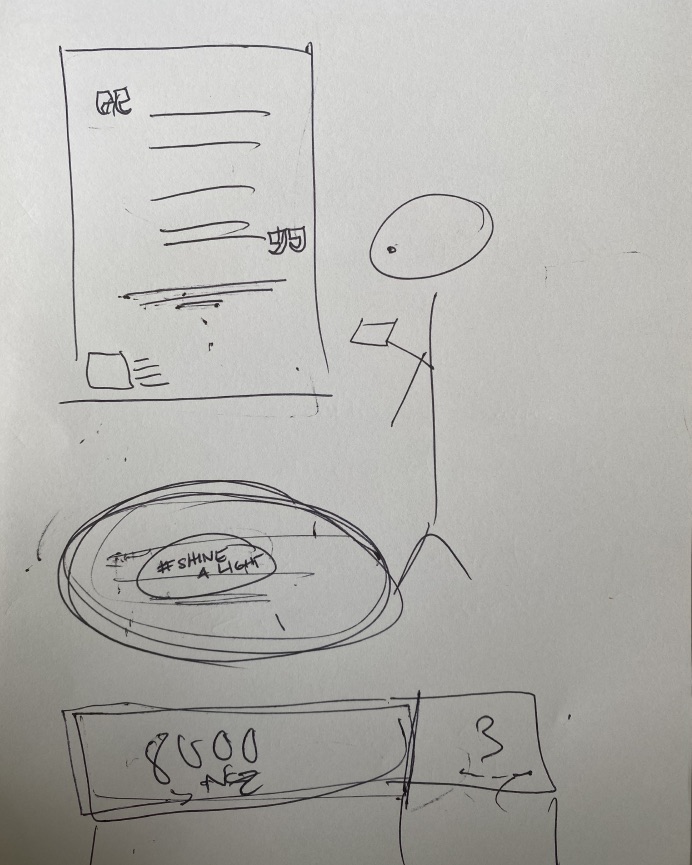
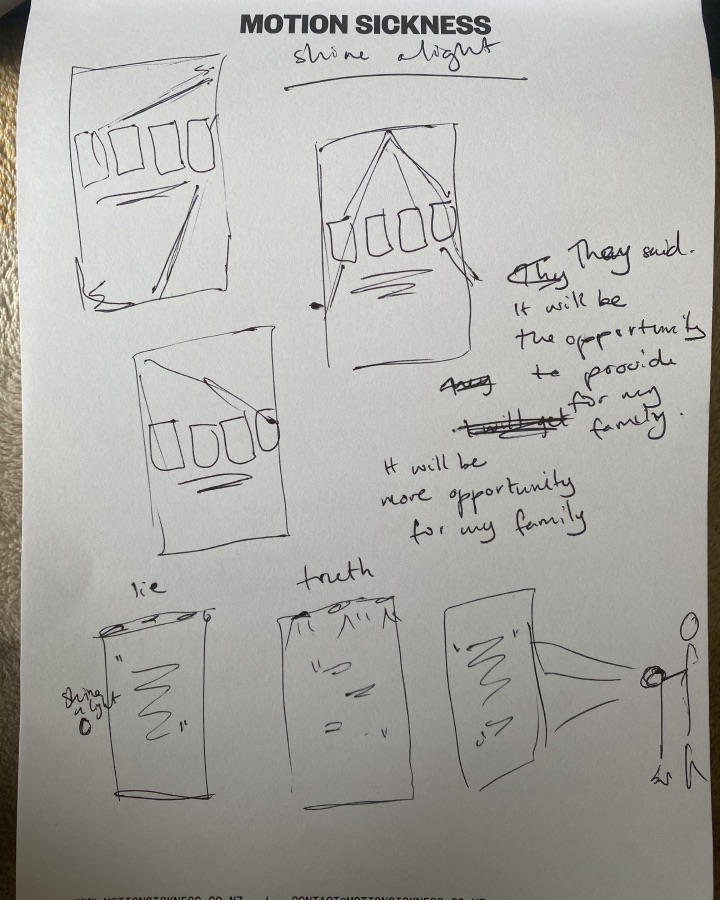
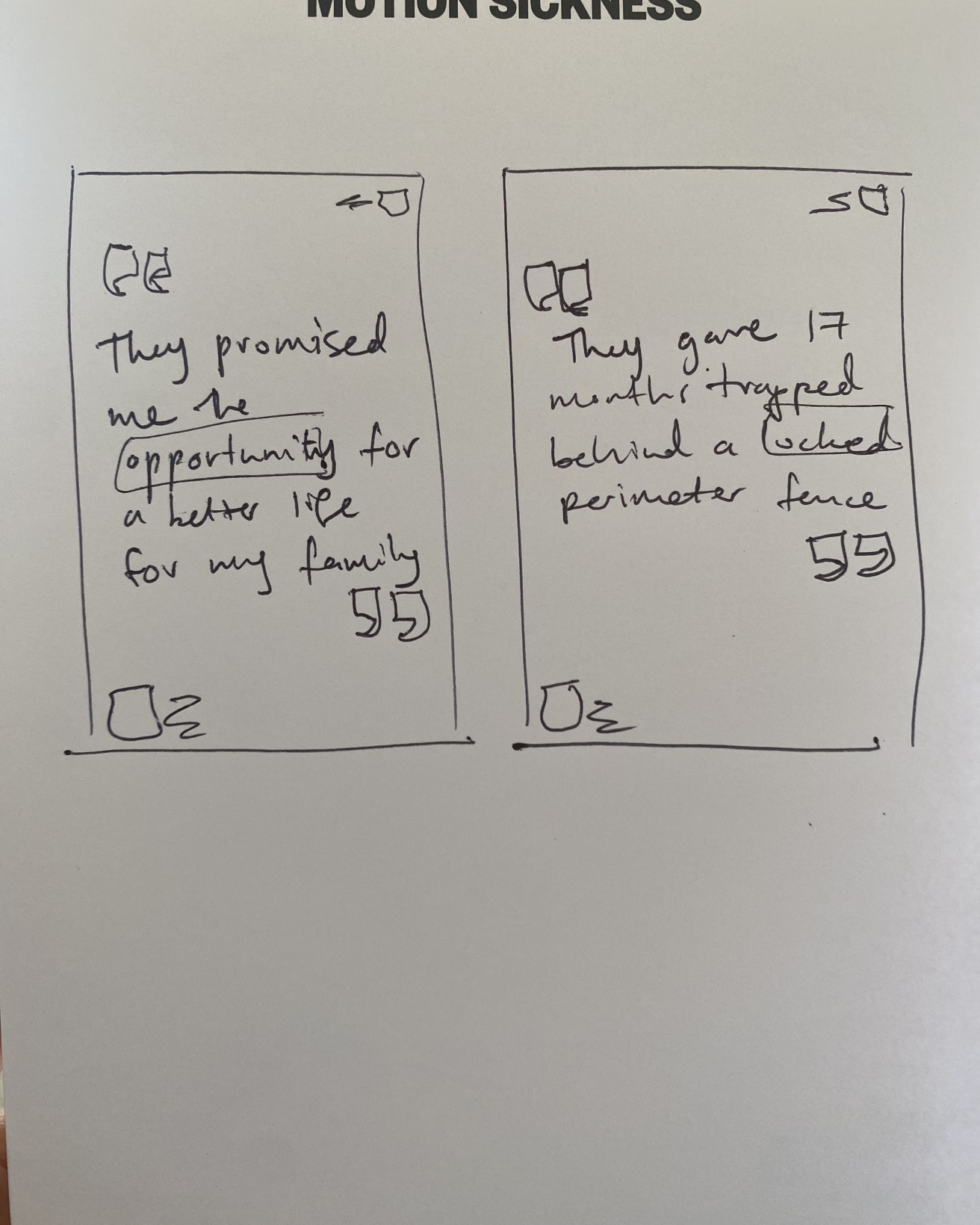
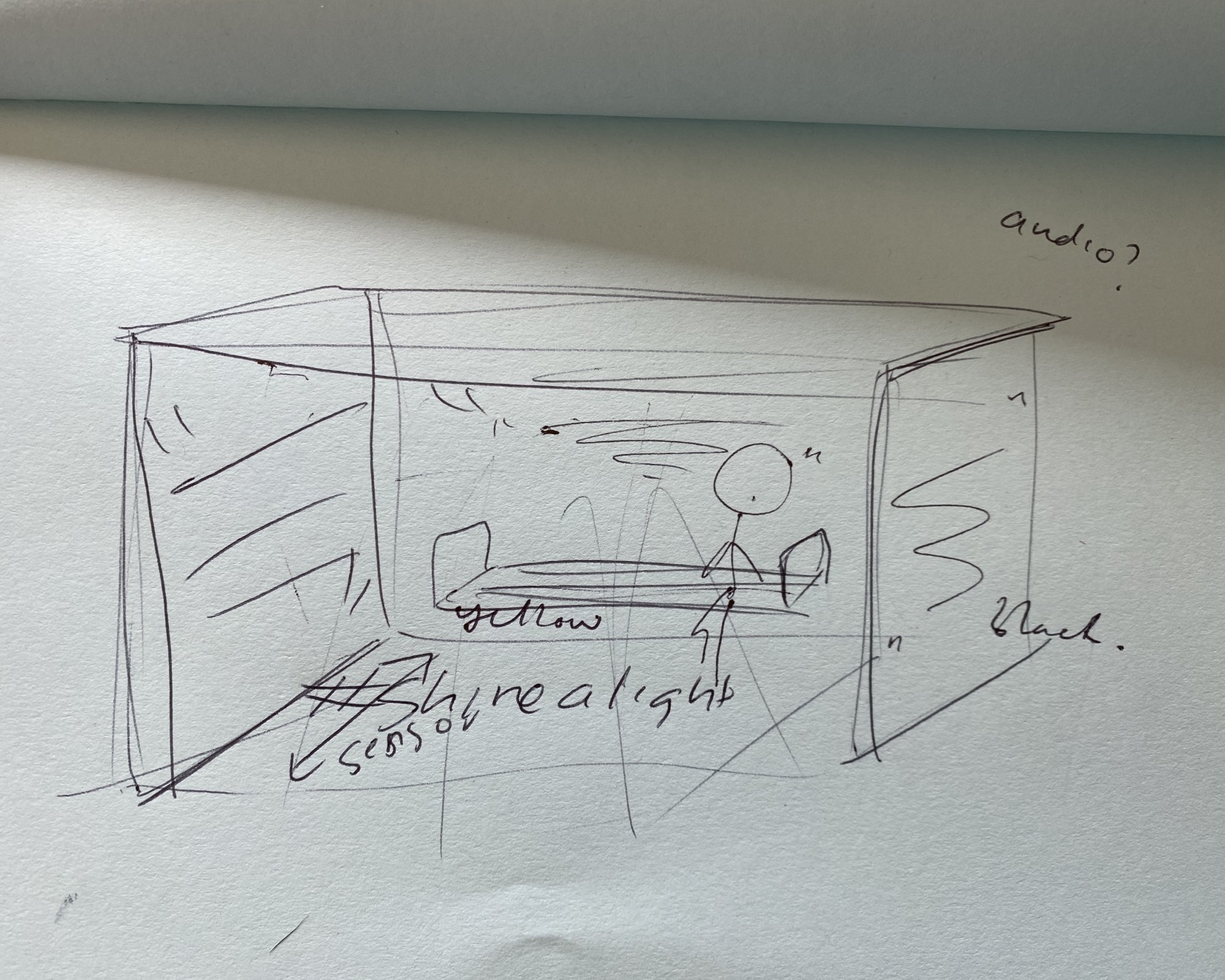
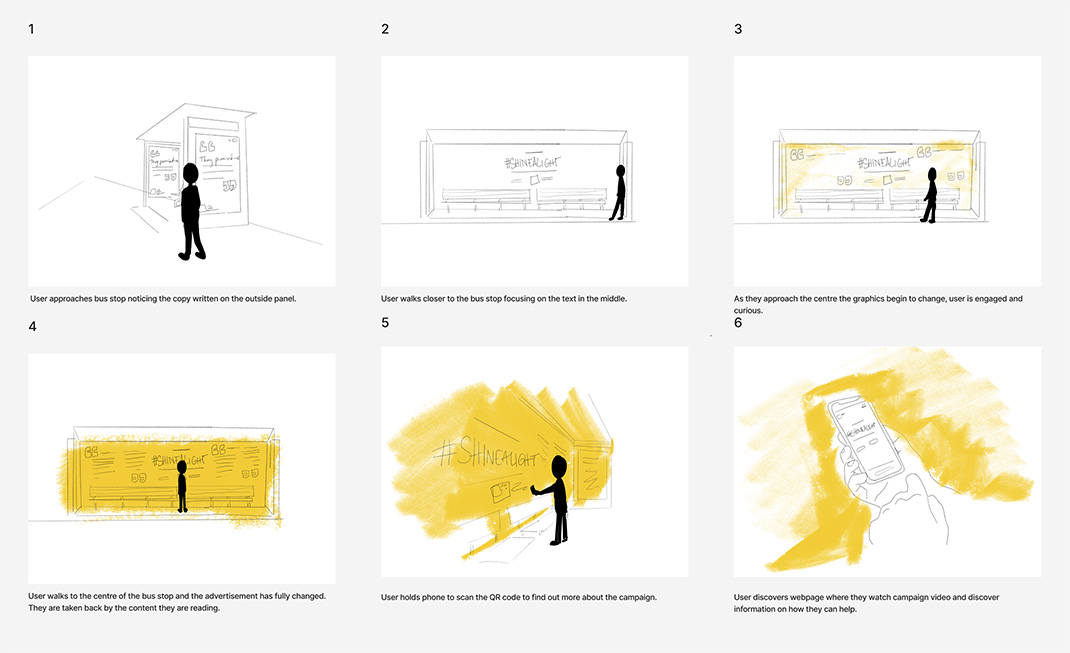
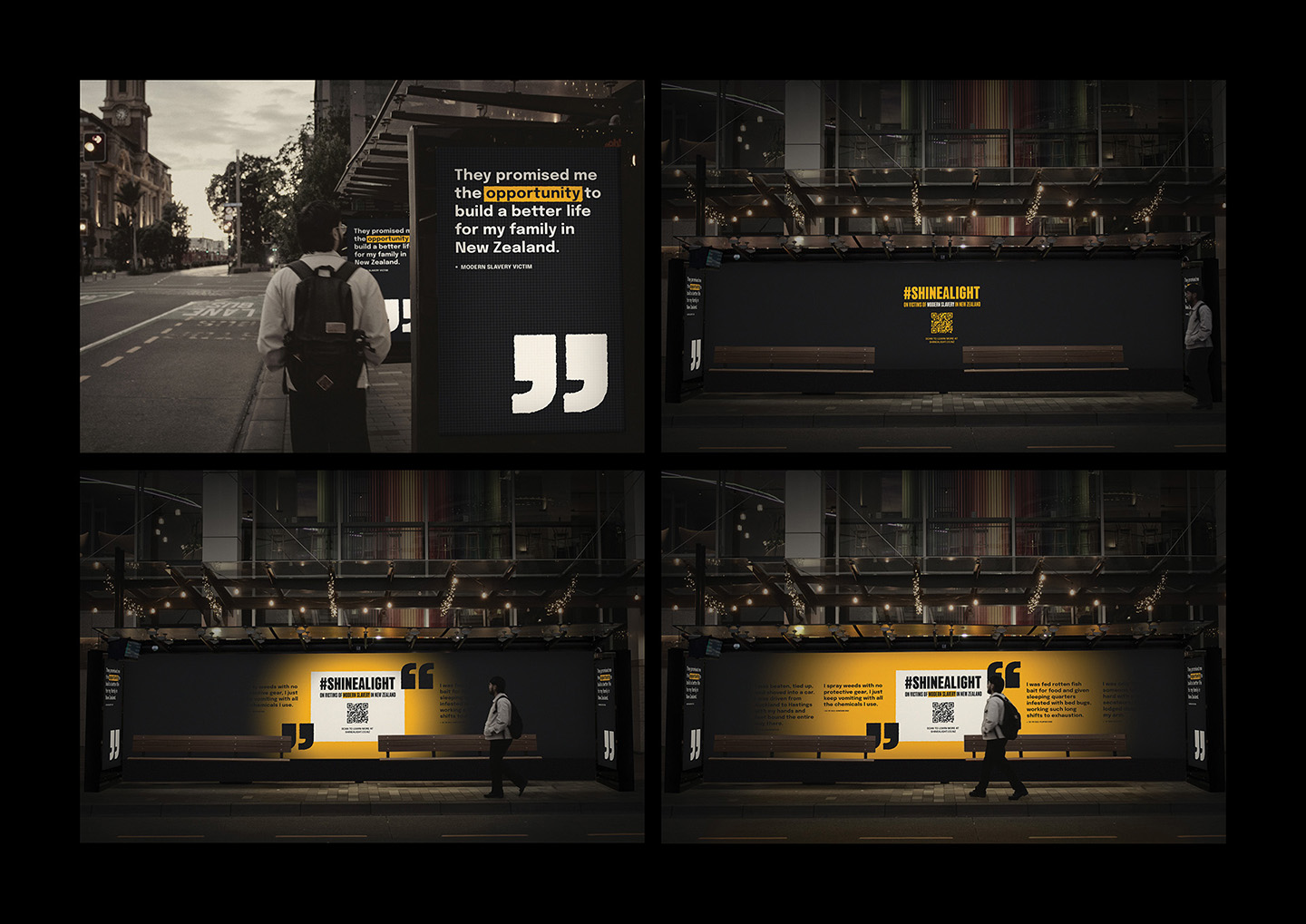
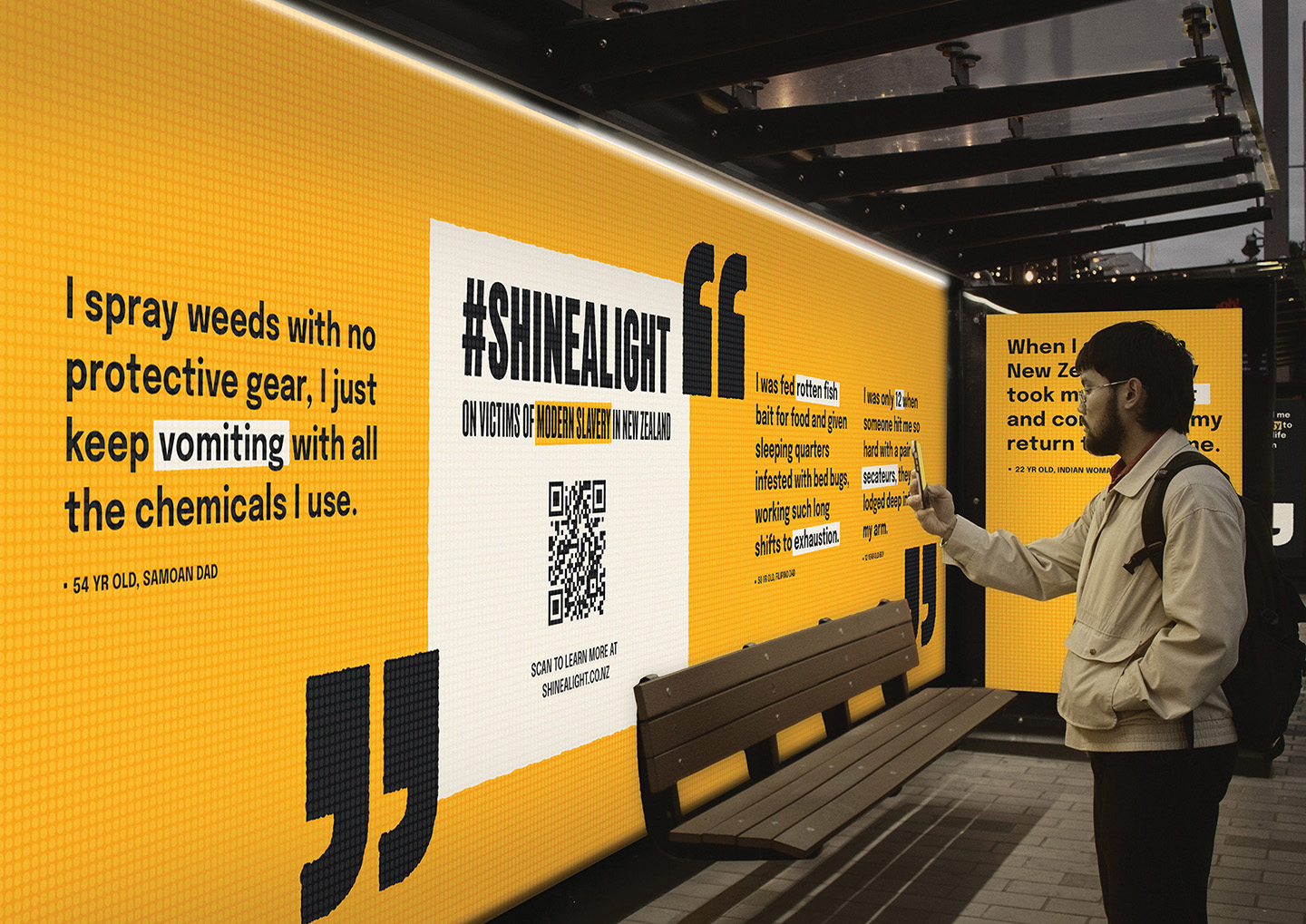
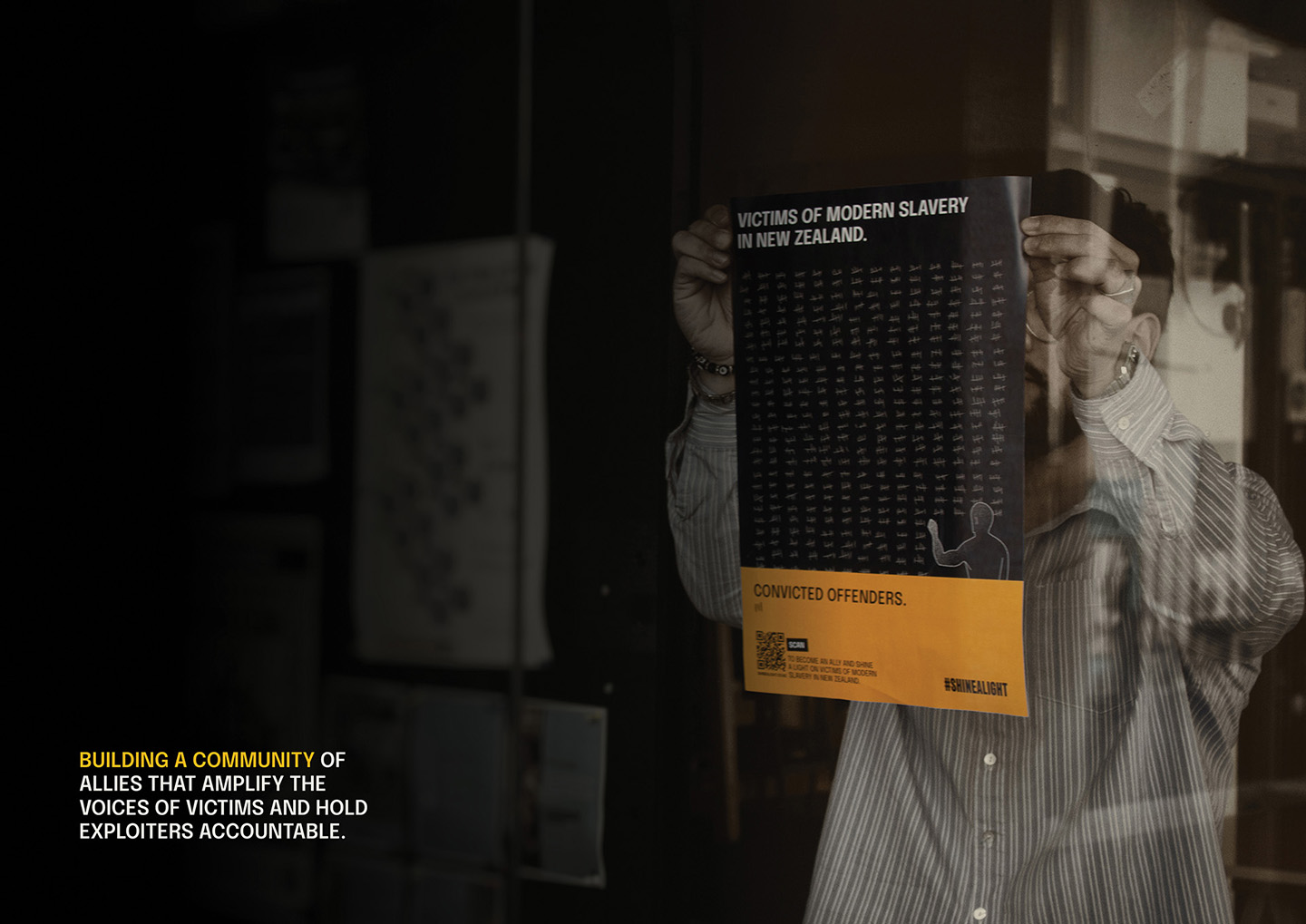
Our core concept around the campaign was all about shining a light on the truth of the darkness of Modern Slavery in New Zealand. Focusing on showcasing our hard hitting stats and victims stories to successful migrants commuting out of the city, multiple iterations of potential OOH campaign ideas were sketched out with this theme in mind, and these were reworked over a period of a few weeks until we came to our final design concept.
Design
Creating the campaign materials and strategy
Campaign Video
Our campaign video aimed to reveal the truth of Modern Slavery through real life stories of victims and the impact it has on their lives.
Visual Identity
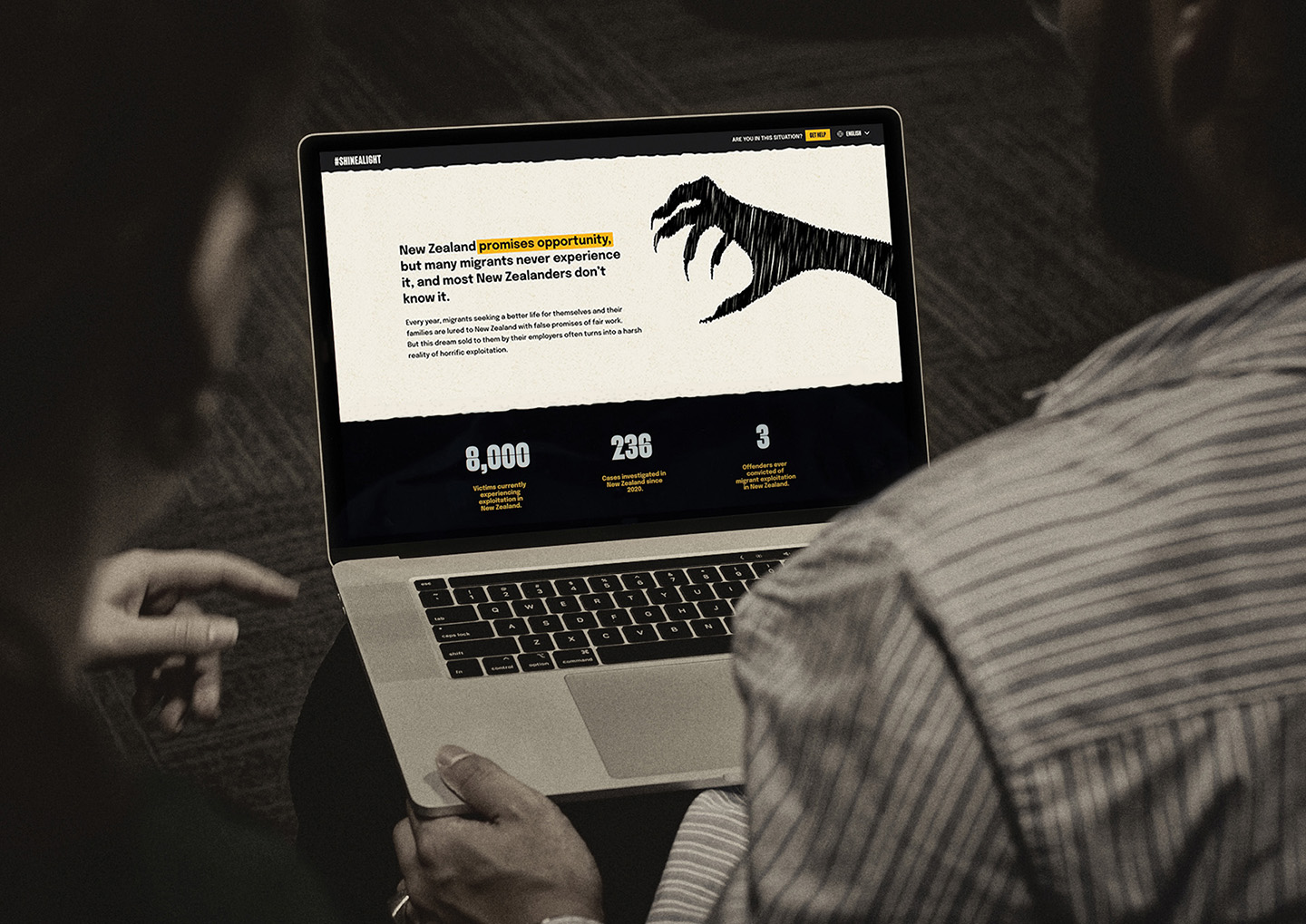
Our visual identity contrasted light and dark, symbolising the truth and the lie, to reveal the shared experience of exploited migrants who were sold a dream but ultimately found themselves trapped by deceitful employers.
User Experience
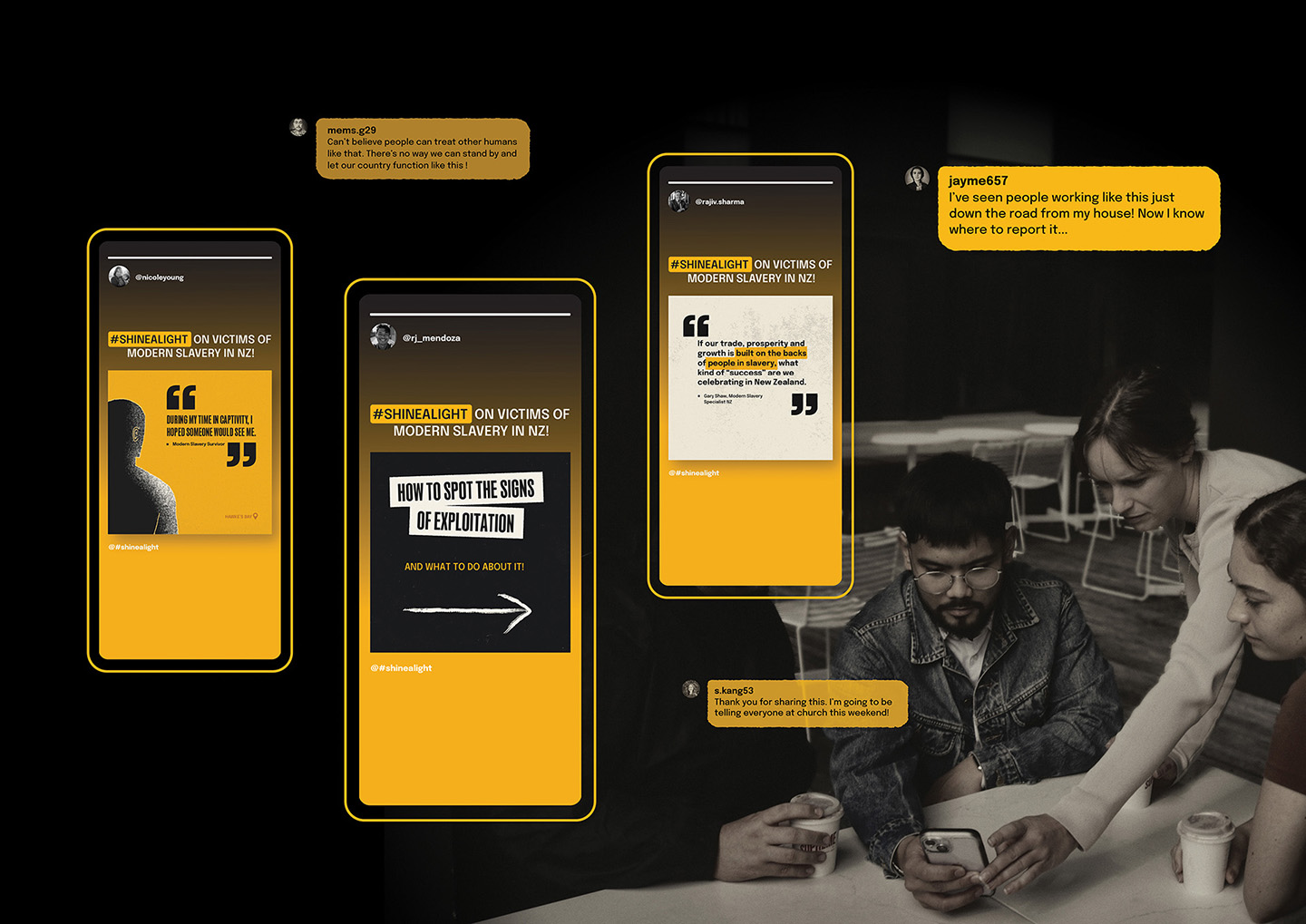
Accessibility for our target audience, who may not use English as their first language, was achieved through translation options within the website and across all shareable content, making the campaign a more approachable and inclusive user experience.
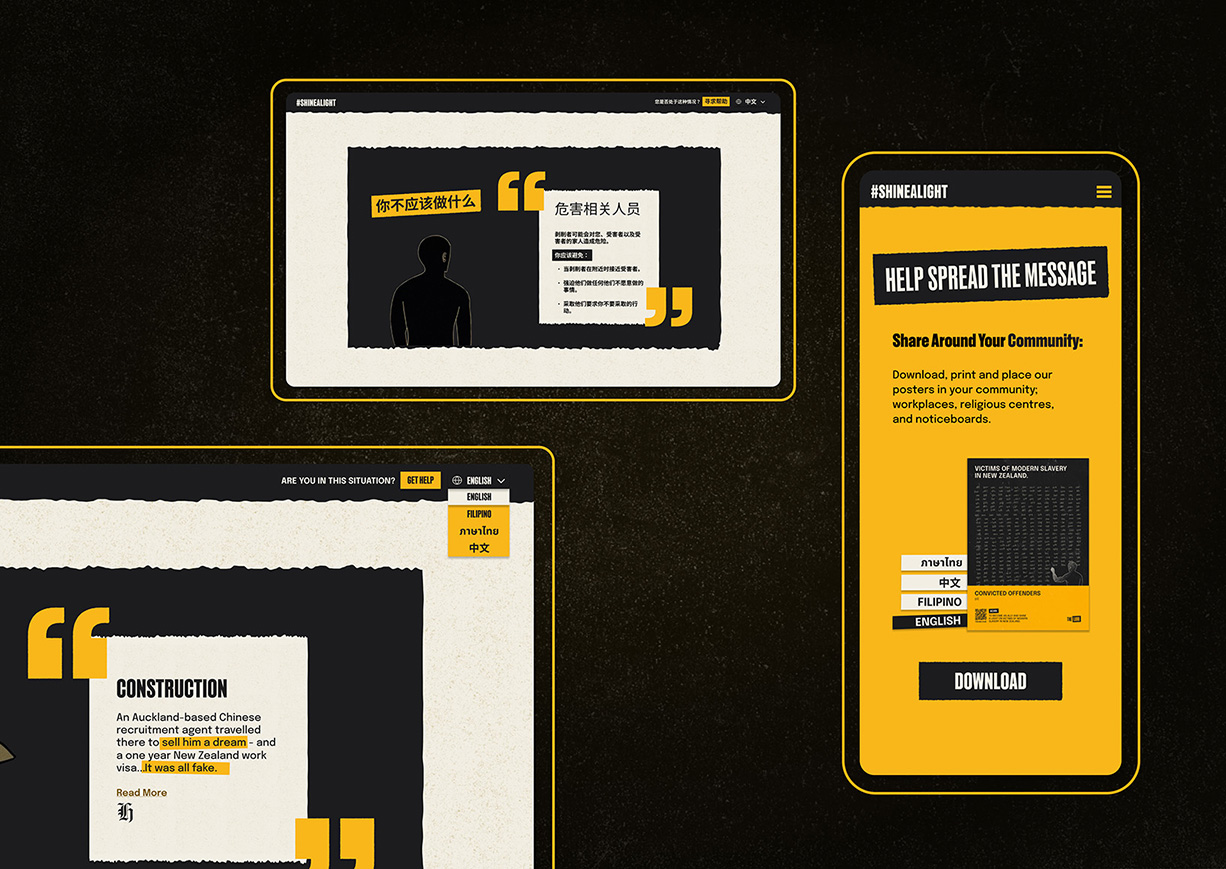
We then developed a series of social media posts and a poster that could all be shared within online communities and cultural gathering spaces such as churches to spread further awareness and encourage action.
Impact
This campaign harnesses the power of awareness and education to build a
community
that not only recognises the signs of migrant exploitation but is driven to take meaningful
action
by standing alongside victims, amplifying their voices, and holding exploitative employers
accountable.
Because true progress in this country isn’t measured by economic
growth alone,
it’s defined by the
dignity, freedom, and fairness we extend to every person who calls this country home.
Final Presentation
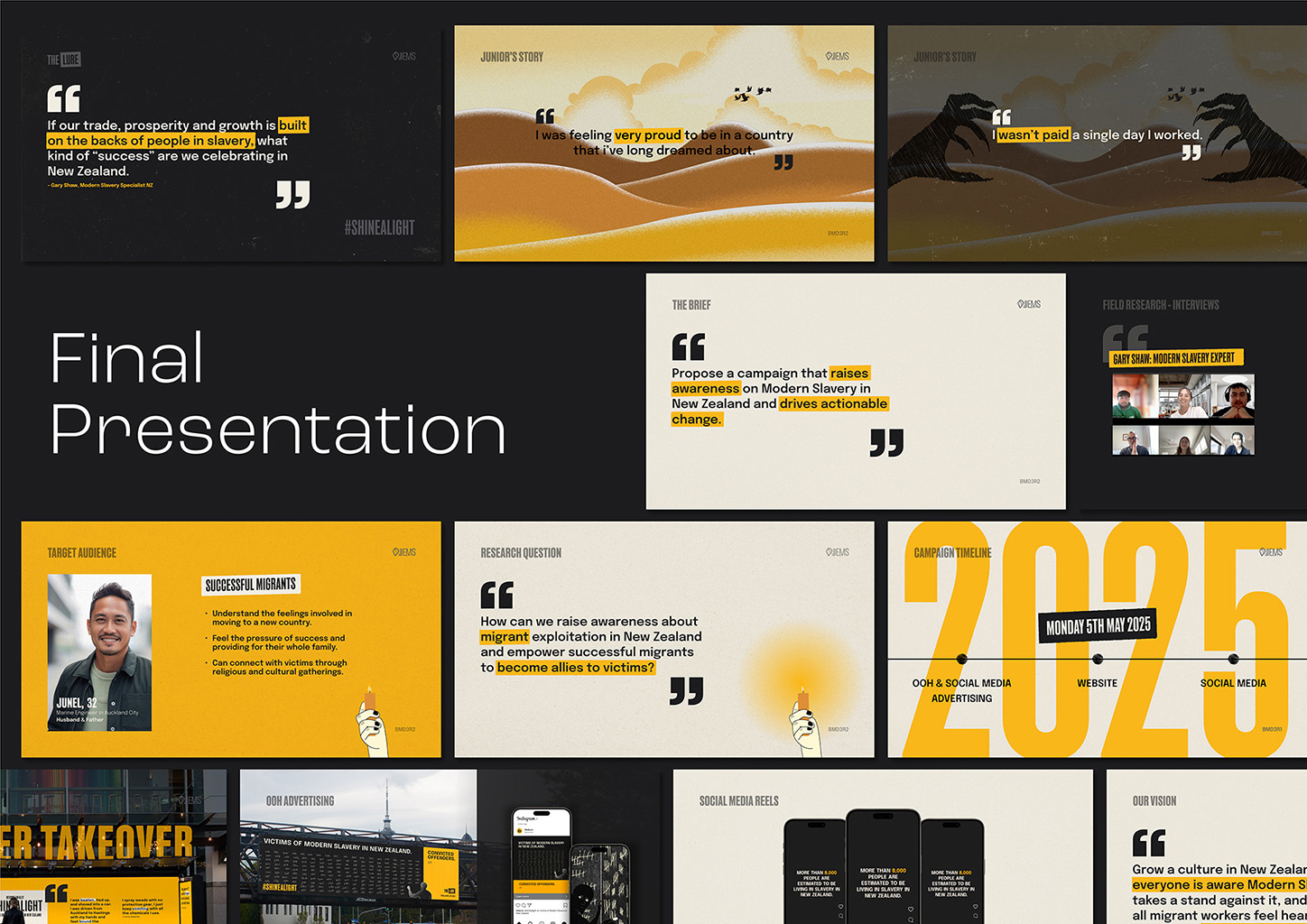
To showcase our outcome for this project, I then designed the script and flow of our final presentation which was a 10 minute pitch to showcase our campaign and its impact.
Reflection & Learnings
Key takeaways and future considerations
This project gave me my first opportunity to work on my storytelling skills through copy by being able to solely focus on copywriting.
This was never an area of design I had considered pursuing before, but after seeing the crucial role it played in the success of this campaign, I am now inspired to carry these skills forward into my future projects.